Supplements To Regulate Cortisol: How to Lower Stress, Increase Energy, and Support Adrenal Health
| | Reading Time: 2 minutes
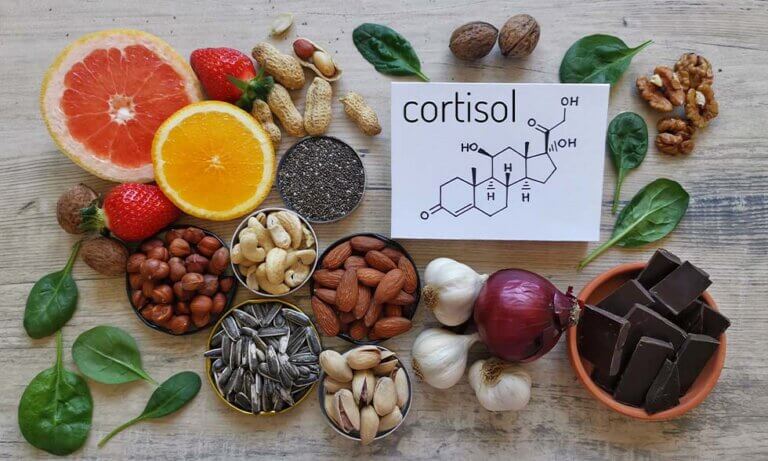
Cortisol is often called the “stress hormone.” While high cortisol gets most of the attention, having low cortisol can be just as disruptive to your health. Low levels are often linked to adrenal fatigue, chronic stress, or hormonal imbalances—and they can leave you feeling drained, foggy, and unmotivated.
The good news? Certain low cortisol supplements may help restore balance, support adrenal function, and improve your energy and resilience. Let’s explore how they work, which ones to consider, and how to use them safely.
Understanding Cortisol and Its Role in the Body
Cortisol is produced by your adrenal glands and affects:
- Energy and alertness
- Blood sugar regulation
- Blood pressure
- Immune system response
When cortisol levels drop too low, you may feel constantly fatigued, dizzy, or even depressed. That’s why finding the right support, including low cortisol supplements, can make a big difference.
Signs of Low Cortisol
Some common symptoms include:
- Persistent fatigue, even after rest
- Low blood pressure or dizziness
- Salt or sugar cravings
- Brain fog and poor focus
- Difficulty handling stress
If these sound familiar, it may be time to explore lifestyle changes and supplements to support adrenal health.
Best Low Cortisol Supplements
Here are some of the most studied and effective supplements that may support healthy cortisol levels:
1. Adaptogens (Ashwagandha, Rhodiola, Ginseng)
Adaptogens help your body adapt to stress and support adrenal function. Ashwagandha, for example, may help balance cortisol—whether too high or too low.
2. Licorice Root
Licorice root extract can help maintain cortisol levels by slowing its breakdown in the body. It’s often recommended for those struggling with adrenal fatigue.
3. Vitamin C
Your adrenal glands use large amounts of vitamin C to produce cortisol. Supplementing with vitamin C can help support hormone production and reduce fatigue.
4. B Vitamins (Especially B5 and B6)
B vitamins play a crucial role in energy metabolism and adrenal function. Low cortisol is often linked with deficiencies in these nutrients.
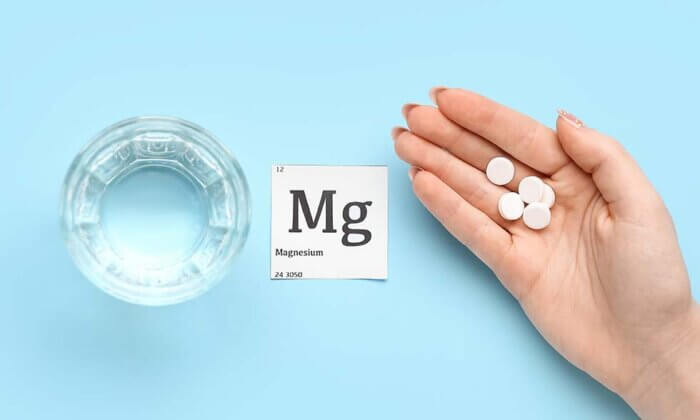
5. Magnesium
Stress depletes magnesium, and low levels can worsen fatigue. Supplementing magnesium may improve energy, sleep, and resilience.
Lifestyle Tips Alongside Supplements
Supplements alone aren’t enough. To fully support low cortisol, consider:
- Prioritizing 7–9 hours of quality sleep
- Eating nutrient-dense meals with healthy fats and protein
- Practicing stress management (yoga, meditation, breathing exercises)
- Reducing stimulants like caffeine, which can overtax the adrenals
When combined with low cortisol supplements, these lifestyle habits can create a powerful foundation for recovery.
Should You Take Low Cortisol Supplements?
Not everyone with fatigue or stress should take cortisol-supporting supplements on their own. Since adrenal health is complex, it’s always best to:
- Get your cortisol levels tested by a healthcare provider
- Rule out other conditions, such as thyroid disorders
- Work with a professional to tailor the right supplement plan
FAQs
How do you fix low cortisol naturally?
What vitamins help with adrenal fatigue?
Can low cortisol cause anxiety?
Is ashwagandha good for low cortisol?
When should I take low cortisol supplements?
Final Thoughts
Dealing with low cortisol can be frustrating, but you’re not stuck with fatigue and stress forever. With the right mix of low cortisol supplements—like adaptogens, licorice root, and essential vitamins—along with lifestyle changes, you can restore energy, balance hormones, and support your adrenal health naturally.